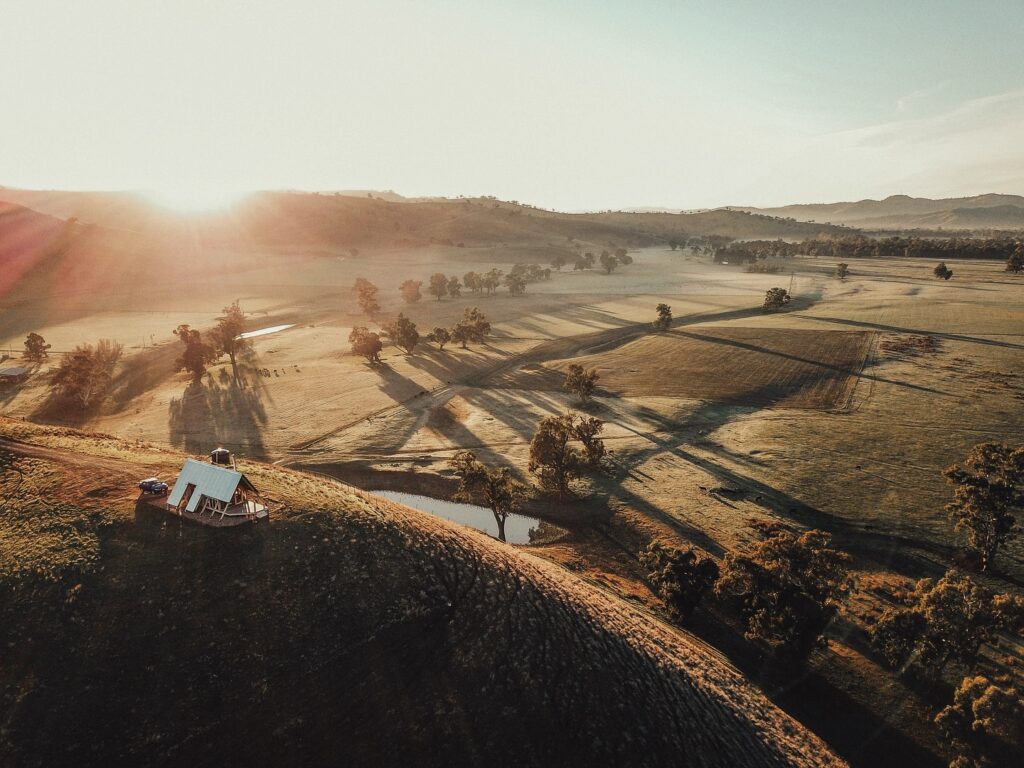
Every generation leaves its mark on Kimo Estate.
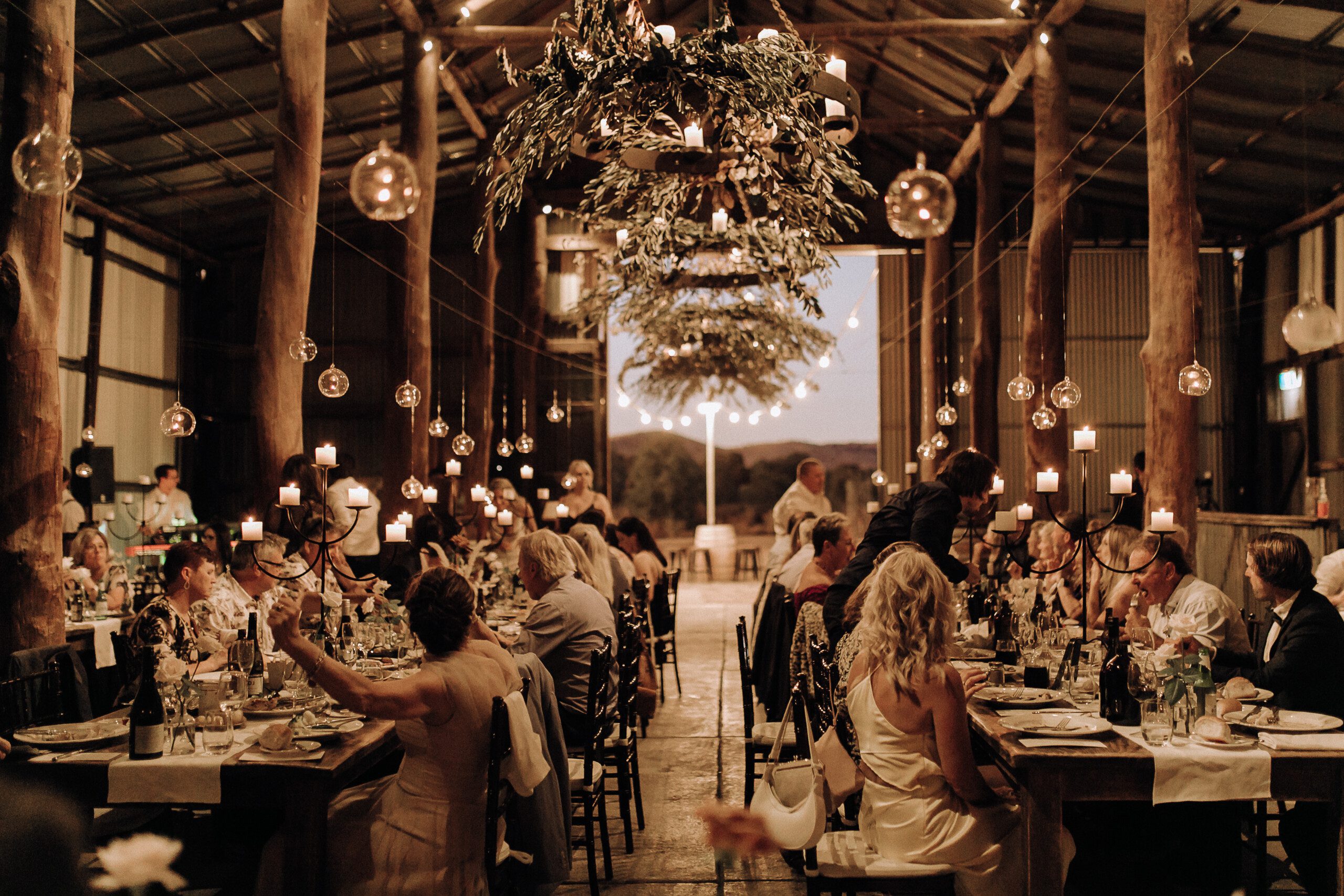
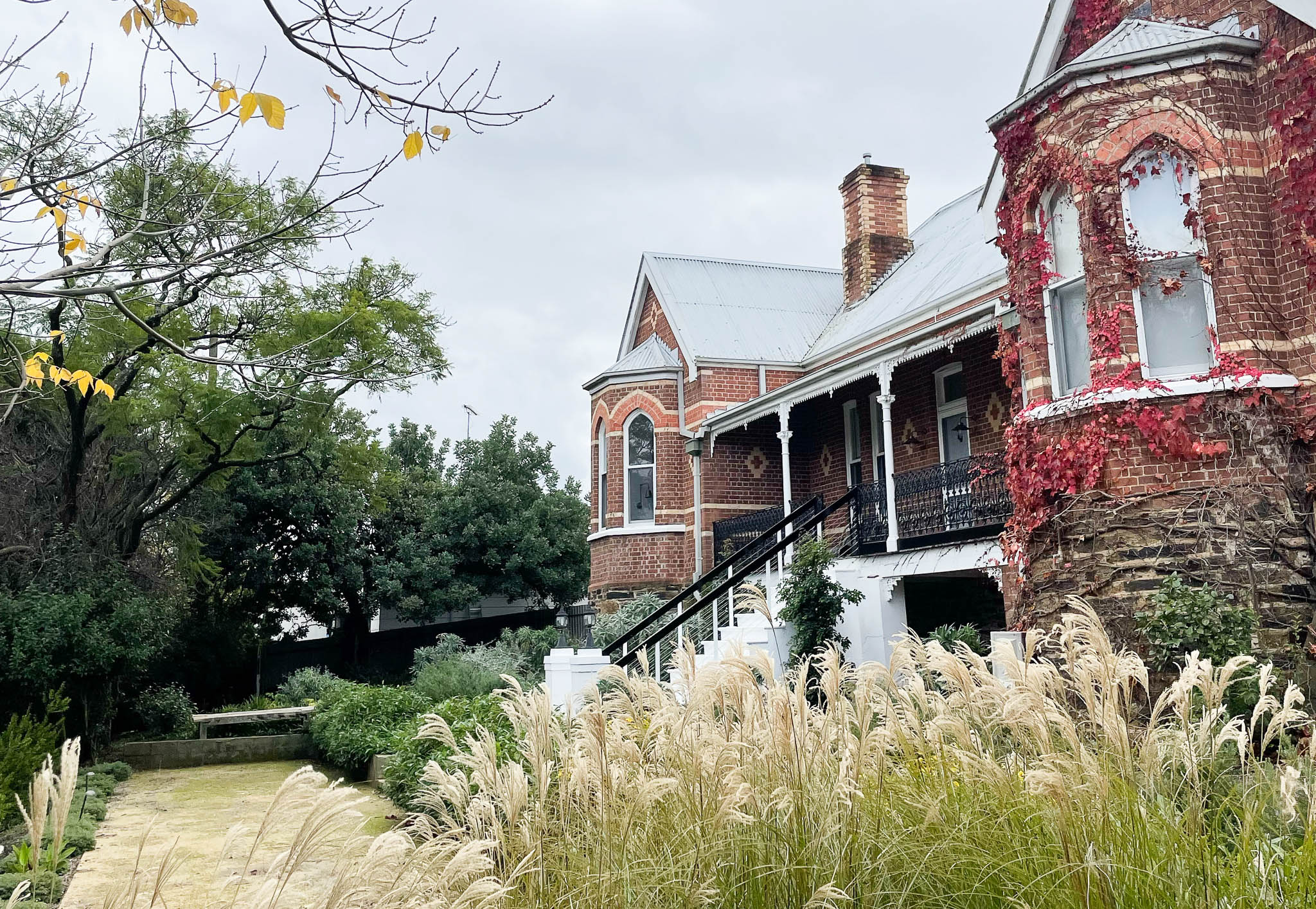
For almost two centuries, people have lived and worked this land. Some cleared it. Some built the Homestead. Others constructed the magnificent Grain Shed that still stands proudly today. Each generation inherited the same responsibility—to care for this remarkable place and leave it in better condition than they found it.
When Emelia and I became custodians of Kimo Estate, we inherited that responsibility too.
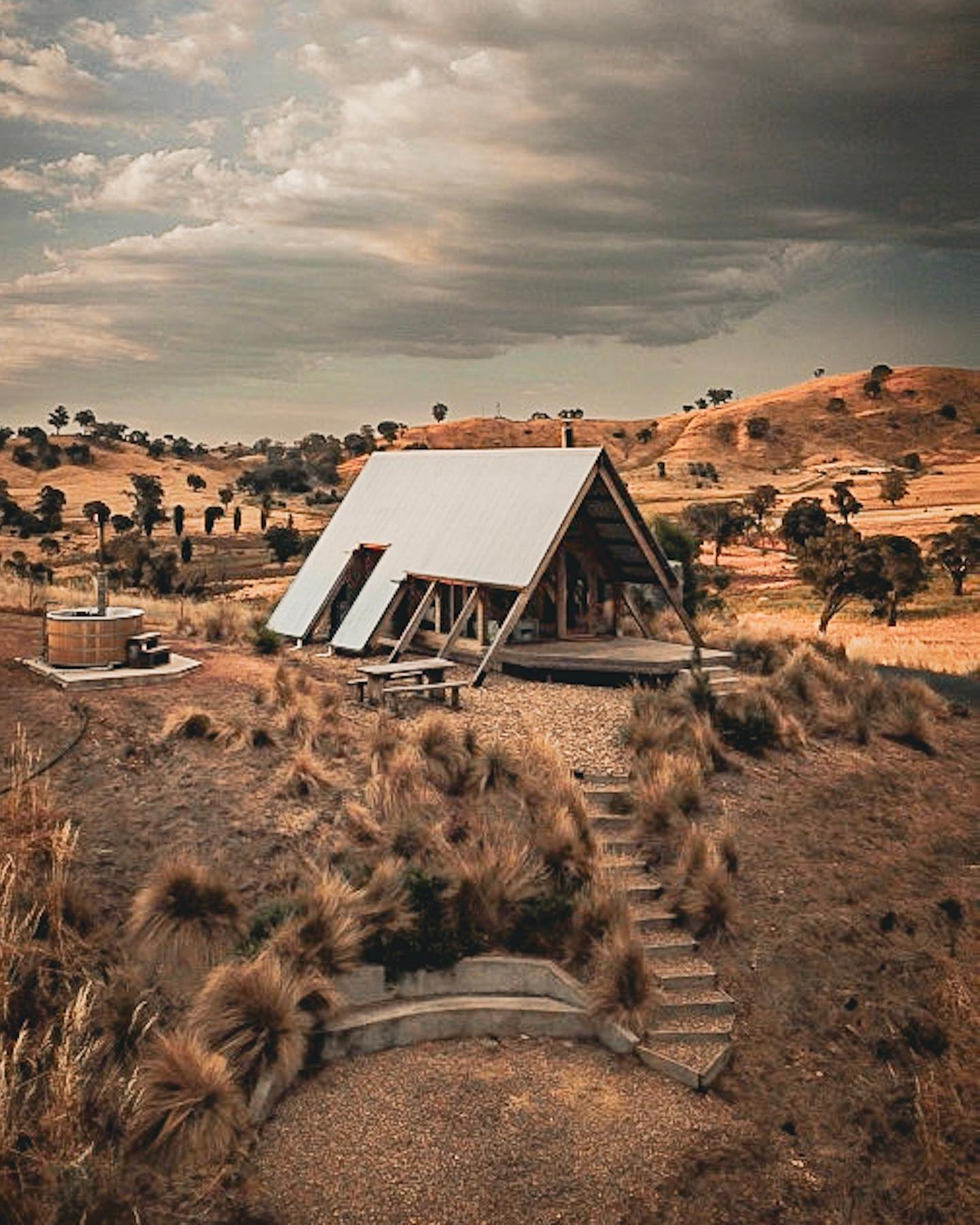
People often ask us why we built three small ecohuts on a 6,500-acre working farm. They assume the decision was driven by tourism, architecture or simply creating somewhere beautiful to stay.
In truth, it had very little to do with accommodation.
It had everything to do with continuing the story of Kimo Estate.
Like many family farms across Australia, Kimo has never stood still. Farming has always demanded adaptation. Every generation has had to respond to changing markets, changing technology and changing seasons. The challenges today are different from those faced by our grandparents, but the need to evolve remains exactly the same.
Diversifying into accommodation wasn’t about leaving farming behind. It was about helping secure its future.
Every guest who stays here contributes to the ongoing care of this landscape, allowing us to invest back into the farm, restore heritage buildings, improve biodiversity and continue farming for generations to come.
The ecohuts aren’t separate from the farm.
They help sustain it.
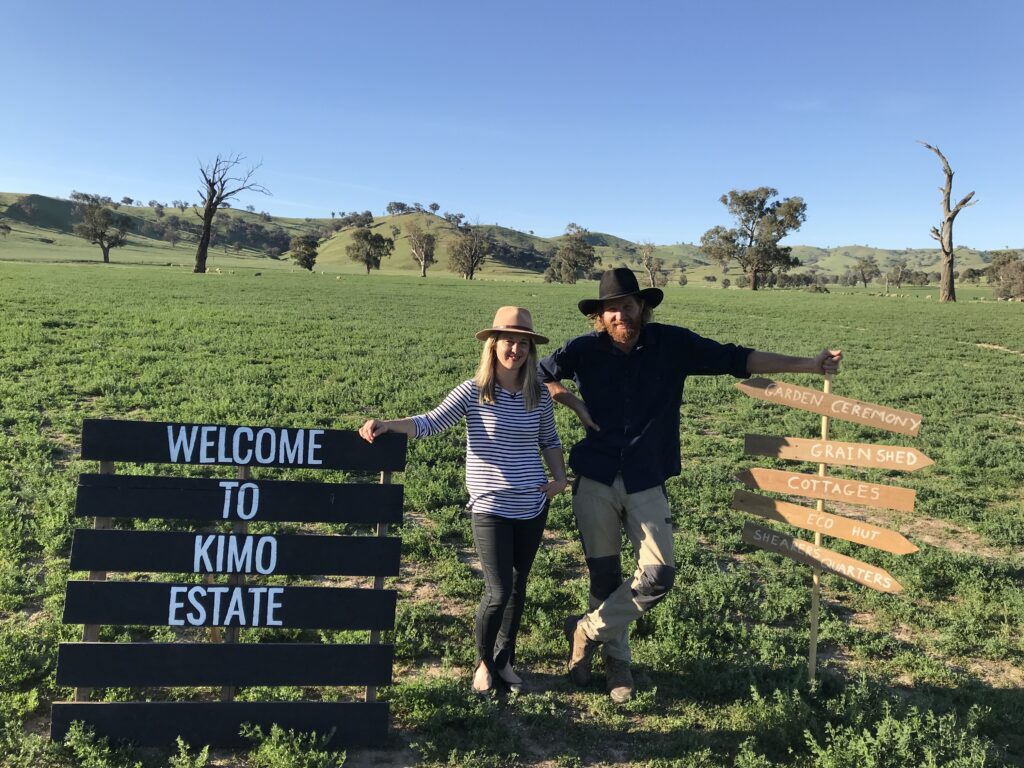
When we first imagined the ecohuts, we didn’t begin with architectural drawings.
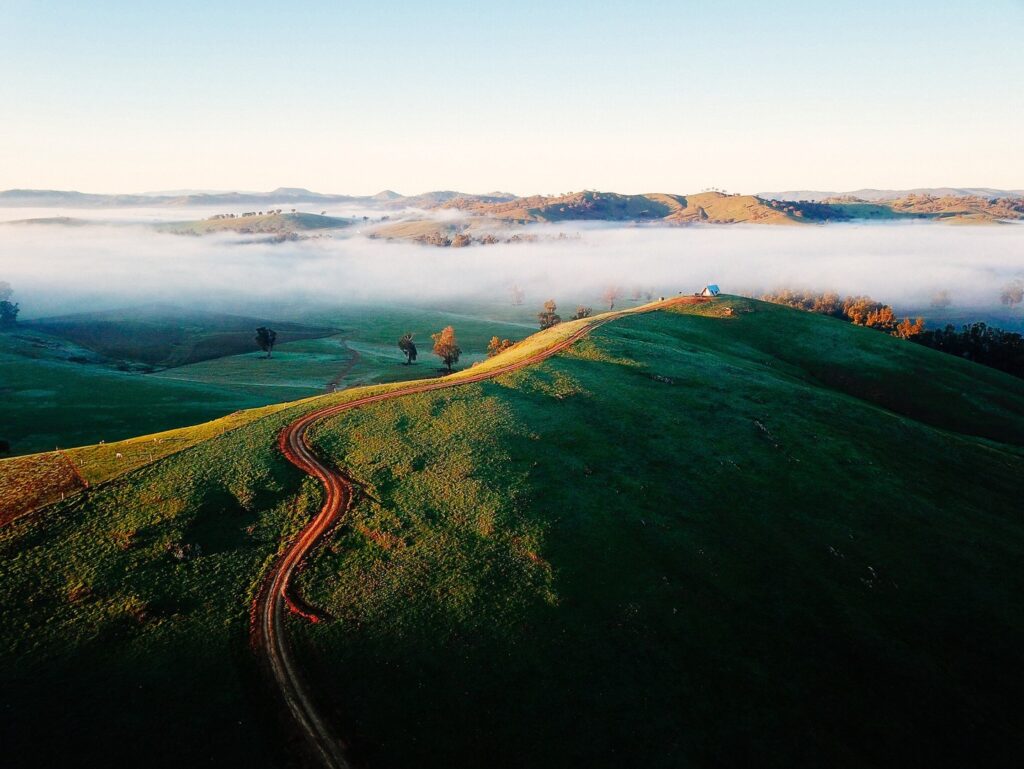
We began with the landscape.
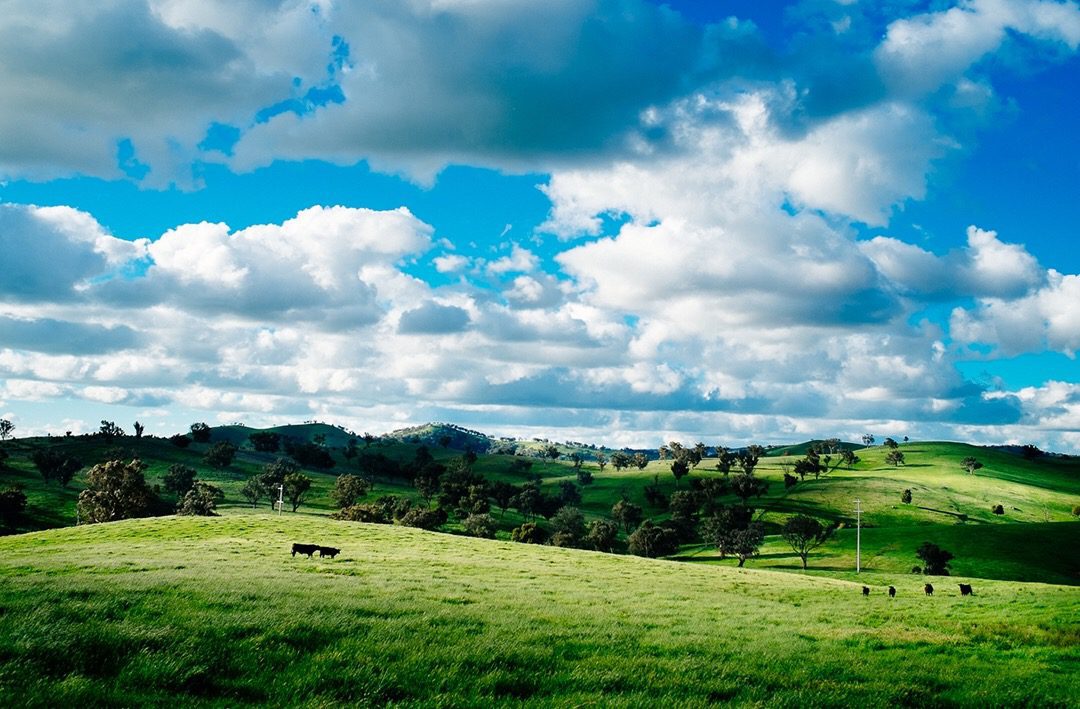
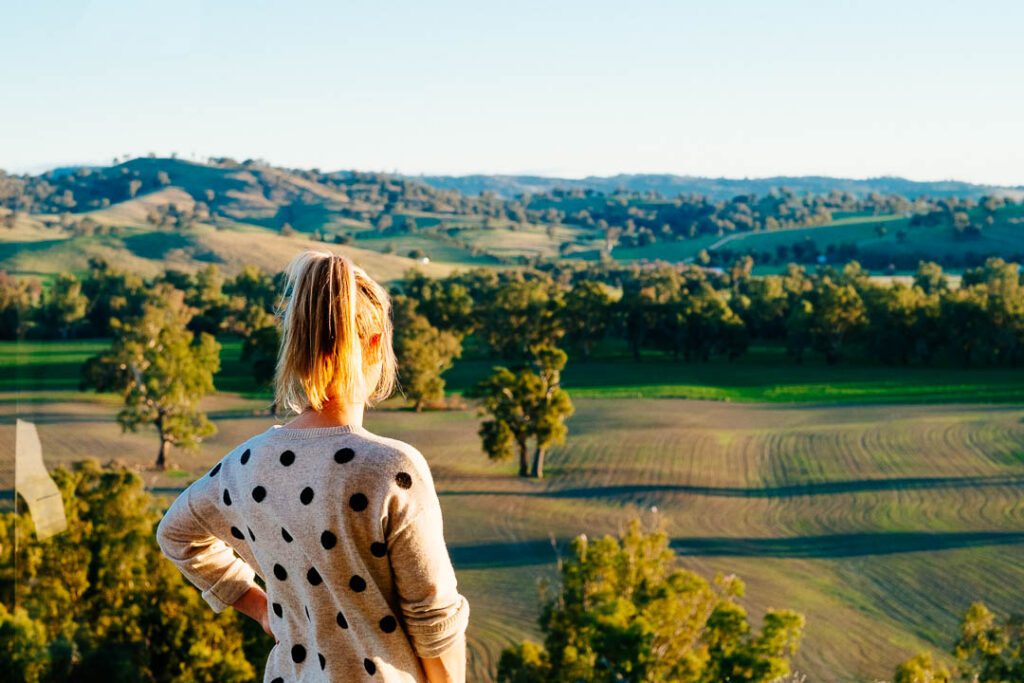
Standing on those hilltops, looking across the valleys, it became obvious that the greatest luxury we had to offer wasn’t a building.
It was the view.
It was the silence.
It was the feeling of standing completely alone in a landscape that had changed very little over hundreds of years.
The architecture simply needed to frame that experience.
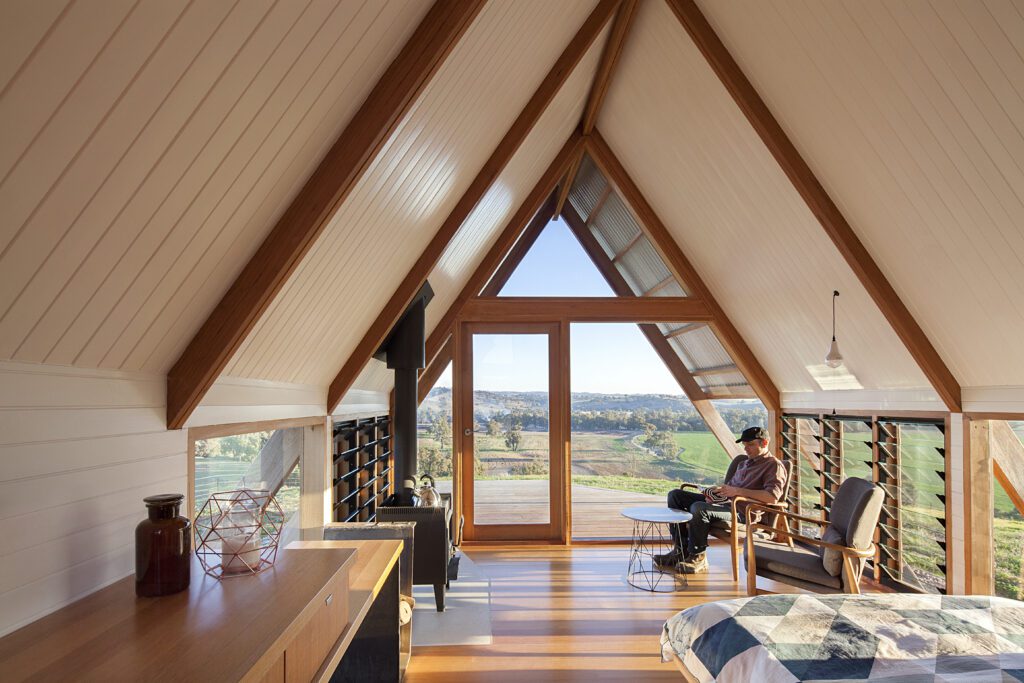
Every decision followed from that single idea. The huts were positioned to capture the changing light throughout the day, to embrace the prevailing breeze in summer, to shelter guests during winter and to maximise privacy. They weren’t designed to dominate the landscape but to become part of it.
The less the building demanded your attention, the more the landscape could take over.
People occasionally ask why we didn’t build twenty ecohuts instead of three.
From a purely commercial perspective, perhaps we should have.
But the more buildings you add, the more roads you build. The more cars arrive. The more lights appear after dark. Eventually the thing people came looking for begins to disappear.
Privacy becomes harder to find.
Silence becomes harder to hear.
We realised early on that protecting the experience was more important than maximising the number of rooms.
Sometimes the hardest decision in business is choosing not to grow beyond what feels right.
That same thinking influences many of the decisions guests notice during their stay.
There are no televisions in the ecohuts.
Not because we dislike technology, but because modern life already provides more than enough distractions.
Most of us spend our days connected to phones, computers and endless notifications. We wanted to create a place where doing nothing didn’t feel like wasting time.
Where a sunset could become the evening’s entertainment.
Where conversation replaced scrolling.
Where the stars reminded you just how little artificial light exists once you leave the city behind.
For many guests, it’s uncomfortable for the first hour.
By the second day, they often tell us they haven’t felt so relaxed in years.
Even the wood-fired hot tubs reflect this philosophy.
There are certainly faster ways to heat water. Less cumbersome ways.
But lighting a fire, waiting patiently and watching the steam rise slowly over the hills changes the pace of an afternoon. It asks you to stop rushing. It encourages you to appreciate the process rather than simply the outcome.
Some of life’s best moments can’t be hurried.
The ecohuts are also a reflection of how we think about luxury.
For many years, luxury meant bigger rooms, more facilities and more possessions.
We’re not convinced that’s true anymore.
Increasingly, we see guests searching for something quite different.
They want privacy.
They want quiet.
They want to wake naturally instead of to an alarm.
They want fresh country air, dark night skies and enough space to think clearly again.
Real luxury isn’t necessarily about having more.
Sometimes it’s about needing less.
Our commitment to sustainability grew from the same philosophy.
The ecohuts operate independently using solar power and harvested rainwater, not because sustainability has become fashionable, but because it made sense for this landscape.
As farmers, we’ve always understood that healthy businesses depend upon healthy land.
That’s why we’ve begun expanding our tree planting program across the property. It’s why we’re restoring old buildings instead of replacing them wherever possible. It’s why we’re investing in a restaurant that celebrates regional produce rather than importing an experience from somewhere else.
We’re trying to ensure that every improvement strengthens both the guest experience and the landscape that supports it.
Running accommodation on a working farm has taught us something unexpected.
People don’t come here simply to escape the city.
They come here to reconnect with something they’ve been missing.
For some, it’s uninterrupted conversation.
For others, it’s the simple pleasure of sitting beside a fire without looking at a screen.
Some discover the joy of waking to birds instead of traffic.
Others find themselves slowing down for the first time in months.
Every guest arrives for a different reason.
Most leave feeling the same.
Calmer.
We often describe Kimo Estate as a place to slow down.
But perhaps that’s not quite right.
The world has simply become so fast that a natural pace now feels unusual.
Here, mornings begin with changing light across the hills rather than the sound of traffic. The weather still dictates the rhythm of the day. Seasons still matter. Rain is still celebrated.
Life moves as it always has.
Perhaps that’s why so many people leave feeling refreshed.
The ecohuts were never built to follow a trend.
They weren’t built because tiny homes became popular or because off-grid accommodation was fashionable.
They were built because they reflected what Kimo Estate has always been—a place that respects the landscape, values simplicity and believes that the best experiences are often the least complicated.
Every generation has left its mark on Kimo Estate.
This is simply ours.
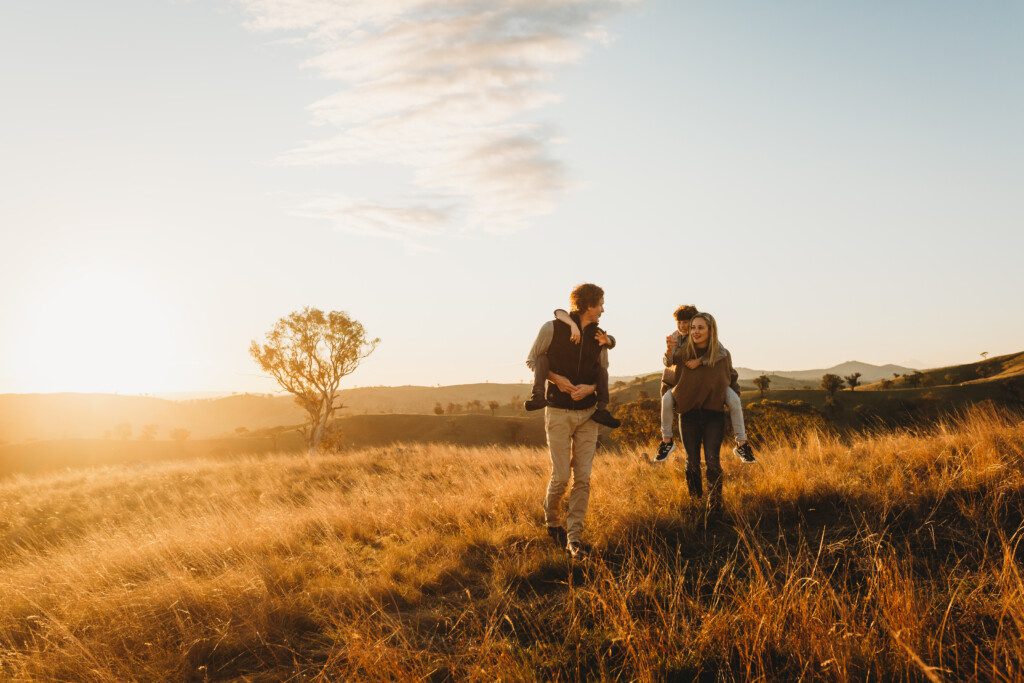
We hope it will help preserve this remarkable place for the generations still to come.